The Hidden Cost of a 2-Week Equipment Wait: What Fleet Managers Should Know Before They Order
When a fleet manager decides to invest in a tire pressure control system, the evaluation process tends to focus on the right things: system features, component quality, price, and long-term ROI. What rarely gets calculated is the cost of the gap between the day you decide to buy and the day the system is actually operational on your truck.
For some tire pressure systems, that gap is two weeks or more. One week to build the system. One week to ship it. And during that entire window, your truck is running without the protection, efficiency, and operational benefits you’ve already decided you need.
That gap has a cost. Most buyers never calculate it before they place the order.
What Your Truck Is Actually Worth Per Day
Before calculating the cost of a wait, it helps to establish what a working commercial truck contributes to your operation on a typical day. The numbers vary significantly by industry, but across the commercial fleet segments that benefit most from tire pressure management, daily vehicle productivity looks something like this:
Ready-mix concrete: A mixer truck completing its typical route delivers multiple loads per day. Each load represents material cost recovered plus margin, driver time, and customer relationship value. A productive mixer truck in full operation contributes meaningfully to daily revenue — and its absence creates both direct revenue loss and job site disruption for customers.
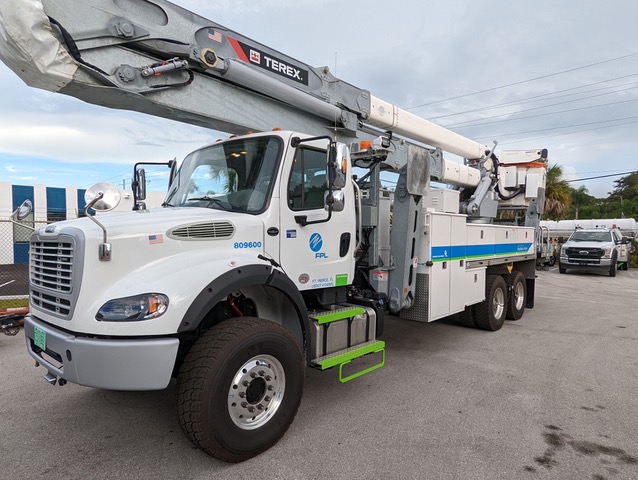
Utility fleet vehicles: Utility trucks don’t generate revenue directly, but they generate operational output — service calls completed, infrastructure maintained, response times met. A utility vehicle out of service or operating below optimal efficiency has a measurable impact on departmental output, labor utilization, and in regulated environments, compliance with service level requirements.
Agricultural equipment: During planting and harvest seasons, a working day is not replaceable. Fields have windows. Equipment that isn’t operating during those windows doesn’t catch up — the season moves on with or without it.
Municipal vehicles: Municipal fleet vehicles serve public functions with schedules and coverage requirements. A vehicle out of service means routes get missed or other vehicles absorb additional load, accelerating wear across the fleet.
In every case, a truck that isn’t operating at full efficiency — or isn’t operating at all — has a cost attached to every day it isn’t. Two weeks is fourteen days. That math matters.
The Two-Week Wait: What’s Actually Happening to Your Fleet
During the two weeks between placing an order for a build-and-ship tire pressure system and having that system operational on your vehicle, your truck continues to operate — but without the system you’ve already determined it needs. That means:
Continued blowout exposure: The reason most fleet operators invest in a tire pressure control system is to eliminate or dramatically reduce blowout risk. During the two-week wait, that risk continues unaddressed. If a blowout event occurs during that window, the cost of that event — towing, downtime, potential crew or cargo impact — is a cost that the system you just ordered would have prevented. You paid for the solution and still absorbed the problem.
Continued tire wear at wrong pressure: Tires operating without systematic pressure management accumulate wear at a faster rate than tires managed by an onboard system. Two weeks of additional wear on a commercial tire that costs $500 to $900 to replace is a small but real contribution to a replacement cycle that the system is designed to extend. Every day of unmanaged operation is a day of tire life spent unnecessarily.
Continued fuel inefficiency: Underinflated tires increase rolling resistance and fuel consumption. Two weeks of additional fuel burn at reduced efficiency has a direct cost — modest on a per-truck basis, but real, and avoidable if the system were operational sooner.
Continued manual pressure management exposure: The manual tire pressure check and adjustment process that the system is designed to replace continues during the wait. That means continued dependence on driver compliance, continued inconsistency across shifts and drivers, and continued risk of the terrain transition errors — running at job site pressure on the highway, returning to the yard without re-inflating — that cause the most serious operational incidents.
The Compounding Effect Across a Fleet
The two-week wait calculation above applies to a single truck. For a fleet manager outfitting multiple vehicles, the math compounds.
If you’re equipping ten trucks and each one has a two-week operational gap between order and installation, you don’t have a two-week problem — you have a twenty-week problem spread across your fleet, assuming vehicles are outfitted sequentially. Each truck spends two weeks in that unprotected window, and the aggregate cost of blowout exposure, tire wear, and fuel inefficiency across all ten vehicles during their respective wait periods is substantially larger than the single-truck calculation suggests.
For a fleet manager making a large-scale investment in tire pressure management, the speed with which that investment becomes operational across the full fleet is directly related to the total return on that investment. A system that deploys fast protects more trucks sooner. A system that takes two weeks per unit to build and ship leaves your fleet partially exposed for as long as the rollout takes.
The Scheduling Risk Nobody Accounts For
Build-and-ship systems introduce a scheduling risk that most fleet buyers don’t factor into their evaluation: the two-week timeline is a best-case estimate under normal conditions.
Consider what can extend that window:
- Component availability delays at the manufacturer’s facility
- Production backlog if demand is high when you order
- Shipping carrier delays — weather, volume surges, or carrier-specific issues
- International customs clearance complications for systems shipped across the border
- Damage during transit requiring a replacement shipment
- A missing or incorrect component discovered on arrival that requires a re-order
Any one of those factors can push a two-week estimate to three weeks. Several occurring together can push it further. And at each point, the resolution requires going back through the same international build-and-ship process that created the delay in the first place.
For a fleet manager who told an operations team, a supervisor, or a board that a system would be operational by a specific date, that delay has internal consequences beyond the operational cost.
What 24-Hour Installation Changes About This Calculation
When a system can be installed in 24 hours, the entire wait-cost calculation collapses. There is no two-week gap. There is no build window, no international shipping timeline, no customs clearance process. There is a conversation, a scheduled installation, and a truck that is operational with the system the next day.
AirDown installs a complete system on a single truck in 24 hours. In most cases, if the installation schedule has availability, your truck can be running the AirDown system the day after your first call. One day — not two weeks.
For a fleet manager calculating ROI on a tire pressure system investment, that difference is significant. The system begins delivering its return — reduced blowouts, extended tire life, improved fuel efficiency, eliminated manual management — from day one of operation, not day fourteen.
For a fleet manager equipping multiple trucks, the rollout timeline compresses dramatically. Instead of a two-week gap per vehicle, installation can proceed truck by truck on a schedule that works for your operation — with each truck going operational within 24 hours of its scheduled installation, not two weeks later.
The Right Way to Calculate Total System Cost
Most fleet equipment purchasing decisions evaluate total cost of ownership over a period of years — system cost, installation cost, maintenance cost, and parts cost weighed against the operational benefits the system delivers. That is the right framework.
But total cost of ownership should also account for the cost of the gap between purchase and operation. A system that takes two weeks to become operational has a two-week delay built into its ROI timeline — for every truck, on every installation. That delay is not free. It is operational exposure, continued inefficiency, and continued blowout risk that the system is designed to eliminate but hasn’t yet because it isn’t installed.
When you add that gap cost to the purchase price, a system that appears less expensive on paper may look different when the full picture is calculated. And a system that installs in 24 hours begins delivering its return fourteen days sooner than one that takes two weeks — which means the break-even point arrives sooner, and the total return over the life of the system is higher.
Questions to Ask Any Supplier Before You Order
- What is the realistic timeline from order placement to system operational on my truck — including build time, shipping, and installation?
- What are the most common reasons that timeline gets extended, and what happens when it does?
- If there is a component issue identified on arrival, what is the resolution process and how long does it take?
- Can you give me a guaranteed installation date, or an estimate?
- For a fleet of multiple trucks, what does the full rollout timeline look like?
The answers reveal a lot about what your actual purchasing and deployment experience will look like — and whether the two-week gap cost is something you’re signing up for without realizing it.
The Bottom Line
The cost of a tire pressure control system doesn’t end at the purchase price. It includes the cost of every day between when you decide you need the system and when it’s actually protecting your trucks, improving your fuel efficiency, and eliminating your blowout risk.
Two weeks is fourteen operational days per truck. For a fleet with multiple vehicles, that gap compounds. For a fleet with a blowout event during that window, the gap cost can exceed the system cost in a single incident.
Fast installation is not a convenience feature. It is an operational and financial advantage that belongs in your purchasing calculation from the beginning.
AirDown installs a complete tire pressure control system on a single truck in 24 hours. If our schedule has availability, your truck can be operational with the AirDown system the next day. No two-week build. No international shipping. No customs. U.S.-based parts, support, and installation — from a team that has been doing this since 2017.
Call 877-623-8473 or visit airdownyourtires.com/contact to check availability and get your fleet moving faster.