Tire Pressure Management for Oil and Gas Field Vehicles
The oilfield is not a forgiving operating environment. Vehicles working in oil and gas field operations face a combination of terrain conditions, load demands, distance from service infrastructure, and operational urgency that puts more stress on tires — and creates more consequences when tires fail — than almost any other commercial vehicle application.
Caliche roads. Gravel lease roads. Soft well pad surfaces after rain. Remote pipeline right-of-ways. Active drilling sites with loose fill and debris. And then the highway back to the yard or the next location — often a long stretch at highway speed with a fully loaded truck that has just spent hours on terrain that demanded something very different from the tires than highway travel does.
In this environment, tire pressure is not a routine maintenance variable. It is an active operational and safety consideration that affects traction on remote terrain, blowout risk on highway travel, vehicle availability, and the cost of operating a fleet that works far from service facilities and cannot afford to be stuck or broken down when work needs to get done.
This article covers why tire pressure management matters specifically for oilfield vehicle operations, what the consequences of getting it wrong look like in that environment, and what a systematic approach to managing it correctly looks like for oil and gas fleets.
The Oil and Gas Fleet Vehicle Profile
Oil and gas field operations depend on a diverse fleet of vehicles — each with its own tire pressure requirements and operational patterns, but all sharing the common challenge of frequent terrain transitions and remote operating locations.
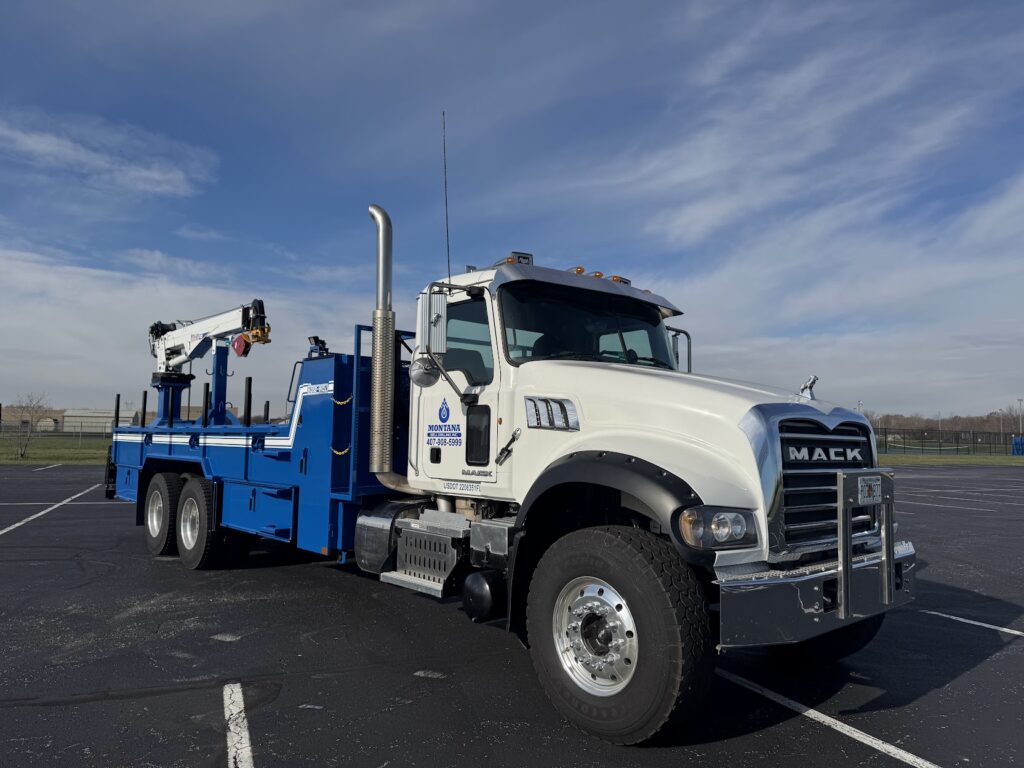
Wireline and well service trucks carry specialized equipment to well locations across lease roads that range from well-maintained caliche to soft, rutted tracks after wet weather. They operate on tight schedules tied to rig operations and production timelines — there is no flexibility to absorb delays caused by stuck vehicles or tire failures.
Water and fluid hauling trucks carry heavy loads across the same remote terrain, often multiple trips per day between water sources or disposal facilities and active well locations. The combination of heavy load and rough terrain creates significant tire stress — and the schedule pressure of maintaining water supply to active drilling operations leaves little margin for breakdown events.
Chemical and materials trucks deliver drilling fluids, completion chemicals, sand, and other materials to well locations. Many of these operations involve driving across soft well pad surfaces that become extremely challenging after rainfall — exactly when tight drilling schedules create the most pressure to keep vehicles moving regardless of ground conditions.
Workover and pulling unit support vehicles access well locations across lease roads that may not have been maintained recently, carrying crew and equipment to locations where the vehicle needs to be operational to support the workover operation. A breakdown or stuck vehicle on the way to a workover job delays a rig crew and drives up the hourly cost of the operation.
Pipeline inspection and maintenance vehicles travel pipeline right-of-ways that cross varied terrain — cultivated fields, wetlands, rough rangeland, and river crossings — often far from any paved road or service facility. These vehicles need reliable soft-terrain capability and the ability to return to the highway safely after extended off-road operation.
Supervisory and safety trucks cover long distances between multiple locations daily, often mixing highway travel with lease road and location access. Though lighter than the heavy service vehicles, these trucks make more transitions per day than any other vehicle in the fleet — accumulating more terrain-change events where tire pressure management matters.
The Terrain Challenge: What Oilfield Roads Actually Look Like
The popular image of an oilfield is a dry, flat, desert environment with firm caliche roads. The reality of oil and gas operations across the United States is far more varied — and the terrain conditions that oilfield vehicles encounter represent some of the most demanding tire pressure scenarios in any commercial fleet application.
Caliche and gravel lease roads in dry conditions are the best-case scenario for oilfield road surfaces — reasonably firm, predictable, and manageable at or near highway inflation pressure. Even these surfaces have exposed sharp aggregate that creates puncture risk, and the corrugated washboard surface that develops on heavily traveled caliche roads creates sustained vibration and impact stress on tires and suspension components.
Wet caliche and clay surfaces are a different challenge entirely. Rain transforms many oilfield road surfaces from firm caliche into slick, sticky mud that provides almost no traction for a high-pressure tire. A truck with highway-inflated tires on wet caliche is operating with a narrow contact patch on a surface that cannot support the concentrated load — tires spin, dig in, and the vehicle stops moving. The same truck with appropriately reduced pressure has a wider contact patch, lower ground pressure per square inch, and significantly better traction on the same surface.
Well pad surfaces are typically constructed from gravel, crushed rock, or caliche fill, but the surface layer is often loose, unstable, and mixed with the mud and debris of active drilling operations. Vehicle movement on active well pads can be complex — confined spaces, other vehicles and equipment, and surfaces that vary in firmness across the pad depending on traffic patterns and drainage.
Pipeline right-of-ways cross whatever terrain the pipeline crosses — which in many producing regions includes river bottoms, wetlands, cultivated fields, and open rangeland with no road surface at all. Vehicles maintaining or inspecting pipeline in these environments need genuine off-road capability, including the tire pressure settings that make soft-terrain operation possible.
Remote locations in producing regions across the Gulf Coast, Permian Basin, Eagle Ford, Bakken, and Appalachian producing areas all present different terrain challenges — from the soft, saturated coastal plain soils of South Texas and Louisiana to the rocky, steep terrain of West Virginia and Pennsylvania’s Appalachian production areas. In each environment, the terrain demands different tire pressure settings than highway travel, and the distance from service facilities means that a vehicle that gets stuck or experiences a tire failure is a long way from help.
Why Tire Failures in Oilfield Operations Are Especially Costly
A tire blowout or stuck vehicle anywhere in a commercial fleet is expensive. In oil and gas field operations, the consequences compound in ways that are specific to the oilfield environment.
Distance from service infrastructure: Many oilfield vehicle breakdowns occur at locations that are 20, 40, or 60 miles or more from the nearest commercial tire service facility. Heavy-duty towing in remote producing areas is expensive and slow — wait times of several hours are common, and the tow distance drives the cost significantly above what the same service would cost in an urban or suburban environment.
Rig and crew time: When a service vehicle breaks down on the way to support an active drilling or workover operation, the rig crew on location is waiting. Rig time in oil and gas operations is typically measured in thousands of dollars per day. A four-hour breakdown delay that costs the crew productive rig time is a breakdown event with a cost that vastly exceeds the tire replacement and towing expense.
Safety in remote locations: A driver stranded with a blown tire in a remote producing area faces safety risks that are not present in urban or suburban breakdown scenarios. Extreme heat in summer producing regions, wildlife in remote areas, and the distance from emergency services all elevate the consequence of a roadside breakdown beyond the operational disruption.
Environmental exposure: A vehicle that gets stuck on a pipeline right-of-way or in a sensitive producing area creates both operational and environmental exposure. Recovery operations — especially if they require additional vehicles, track equipment, or earth movement to extract a stuck truck — can damage protected land, water features, or pipeline infrastructure. The environmental and regulatory consequences of a recovery operation in sensitive terrain can exceed the operational cost of the stuck vehicle event itself.
Schedule and production impact: In drilling operations where every hour counts and service vehicle schedules are tightly coordinated with rig operations, a breakdown in the service chain disrupts not just the affected vehicle but the entire sequence of operations that depends on it. Water trucks that don’t arrive on schedule affect drilling fluid management. Chemical trucks that don’t arrive affect completion operations. The schedule impact of a single vehicle breakdown can cascade through multiple operations simultaneously.
The Specific Tire Pressure Scenarios That Cause Problems in Oilfield Operations
Understanding the specific pressure management failures that create the most costly problems in oilfield vehicle operations helps identify where systematic management is most important.
Vehicles Getting Stuck on Wet Location Access Roads
This is the most frequent and most operationally disruptive tire pressure-related event in oilfield operations. A vehicle approaching a well location after rainfall on a wet caliche or clay access road at highway tire pressure has a narrow contact patch pressing concentrated load into a surface that cannot support it. The vehicle loses traction, attempts to power through, digs in, and requires recovery.
The same vehicle with appropriately reduced tire pressure for the surface conditions — typically 20 to 35 PSI below highway inflation pressure depending on the surface and load — has a wider contact patch, lower ground pressure, and significantly improved traction. In most cases, the difference between a vehicle that gets stuck and one that does not is tire pressure management at the terrain transition point.
Highway Blowouts After Extended Off-Road Operation
Vehicles that have operated on oilfield lease roads and location surfaces for extended periods — running at pressures that may have been reduced for terrain, or that have simply lost pressure through slow leaks from debris punctures — and then return to highway travel face elevated blowout risk from the underinflation-plus-highway-speed heat accumulation described throughout AirDown’s content. In remote producing areas where the highway segment home is long, the time at risk is extended.
Debris Punctures and Slow Leaks
Oilfield roads and location surfaces contain an unusually high concentration of tire puncture hazards — metal shavings, pipe thread protectors, wire, loose fasteners, and sharp aggregate from disturbed caliche. Slow leaks from minor punctures are common in oilfield vehicle operations. Without real-time pressure monitoring, a slow leak that begins during location access may not be detected until the vehicle is on the highway and the pressure has dropped to a dangerous level.
Overloaded Vehicles at Incorrect Pressure
Fluid hauling trucks, sand trucks, and chemical trucks operating at or near maximum load ratings need correct inflation pressure to safely carry those loads. An overloaded truck running underinflated tires on a long lease road in summer heat is accumulating tire stress from three compounding directions simultaneously: load stress, heat stress from underinflation-driven flex, and external heat from road surface and ambient temperature. The failure threshold for a tire in those combined conditions is lower than for any one of those factors individually.
What Systematic Tire Pressure Management Looks Like for Oilfield Fleets
The operational pattern of oilfield vehicles — highway travel to remote lease road access to location operation and back — maps directly onto the problem that AirDown’s onboard tire pressure control system is designed to solve. The terrain transition is the critical moment, and the system makes that transition automatic and reliable rather than dependent on manual steps that are inconsistently executed under schedule pressure.
For a typical oilfield vehicle operating day, the workflow with an onboard pressure control system looks like this:
- Departing the yard or staging area, all tires are confirmed at highway pressure on the cab display
- Approaching the lease road turnoff, the driver selects the off-road pressure profile — tires air down simultaneously to the target PSI for the surface ahead, in under a minute, without the driver leaving the cab
- The vehicle travels the lease road and operates on location with optimized pressure for the terrain — better traction, lower ground pressure on soft surfaces, reduced stuck-vehicle risk
- Before returning to the highway, the driver selects the highway pressure profile — all tires inflate to road pressure simultaneously, confirmed on the cab display before the vehicle moves
- The vehicle returns to the highway at correct, safe operating pressure — eliminating the underinflated highway travel scenario that causes most blowouts in returning oilfield vehicles
Real-time pressure monitoring throughout the operating day provides visibility into slow leaks and pressure changes as they occur — before a minor puncture that could be managed becomes a highway emergency. The AirUp component of the system compensates for pressure loss automatically, including from multiple simultaneous punctures, maintaining operational pressure in conditions where debris punctures are a routine hazard.
The Distance Advantage: Onboard Inflation in Remote Locations
One of the most practically significant advantages of an onboard tire pressure control system for oilfield operations is the elimination of dependence on external air equipment at remote locations.
Manual tire management in remote producing areas requires either carrying a compressor capable of inflating commercial tires to highway pressure — heavy, expensive, and one more piece of equipment that can fail — or accepting that re-inflation before highway travel will not happen consistently because the equipment isn’t available.
An onboard system draws from the vehicle’s existing air supply to inflate tires directly. The inflation capability travels with the vehicle. It is available at every location, every lease road, every pipeline right-of-way, regardless of how remote the location or how far the vehicle is from the nearest facility with air equipment. A driver completing a job at a remote location 50 miles from the nearest town can re-inflate all tires to highway pressure from the cab before pulling onto the county road — without a compressor, without a service call, without the judgment call that says the pressure is close enough.
The ROI Case for Oilfield Fleet Operators
The return on investment for tire pressure management in oilfield operations is built from several compounding savings categories:
Reduced stuck-vehicle events: Each stuck-vehicle recovery in remote oilfield terrain costs $1,000 to $5,000 or more in recovery equipment, additional crew, lost time, and potential environmental exposure. Correct off-road pressure management at terrain transitions eliminates the majority of these events — the ones caused by traction failure on wet or soft surfaces that lower pressure would have managed.
Eliminated highway blowout events: At $3,000 to $12,000 per incident including all indirect costs, and with the added consequence of remote location towing and potential rig crew delay, blowout prevention in oilfield operations delivers higher per-event value than in many other fleet applications.
Extended tire service life: Heavy-duty oilfield tires are expensive — $600 to $1,200 or more per tire for service trucks carrying significant loads on rough terrain. Consistent correct pressure for each operating environment extends service life and reduces replacement frequency across the fleet.
Reduced debris puncture consequences: Real-time pressure monitoring and automatic compensation for slow leaks means that the debris punctures that are routine in oilfield operations are managed as they occur rather than discovered on the highway when they have become dangerous. Minor punctures that would otherwise cause highway blowouts are compensated automatically until the vehicle reaches a location where tire service is available.
Improved vehicle availability: A fleet with fewer stuck-vehicle events, fewer blowout incidents, and longer tire service intervals has higher vehicle availability — more trucks on the road doing productive work and fewer in the yard awaiting tire service, recovery, or repair.
The Bottom Line for Oil and Gas Fleet Operations
Oilfield vehicle operations present a uniquely demanding tire pressure management challenge — remote terrain, debris-heavy road surfaces, heavy loads, long distances from service infrastructure, and operational schedules where vehicle availability directly affects production timelines and rig costs. In that environment, tire pressure is not a maintenance detail. It is an operational variable with direct consequences for safety, productivity, and cost.
Systematic onboard pressure management — with the ability to adjust for terrain transitions automatically, monitor pressure in real time throughout the operating day, and re-inflate to highway pressure from the cab before returning to road travel — addresses the specific failure modes that make oilfield tire management costly when it is not done correctly.
For oilfield fleet managers evaluating the investment, the relevant question is not whether tire pressure management matters in their operating environment. In the oilfield, it clearly does. The question is whether the current approach to managing it — whatever that approach is — is producing consistent, reliable results across every vehicle, every driver, and every terrain transition. If the answer is not a clear yes, the cost of the inconsistency is accumulating with every shift.
AirDown’s onboard tire pressure control system is built for exactly the kind of terrain transitions and remote operating conditions that oil and gas field vehicles face daily — with both air down and air up capability, real-time PSI monitoring at every wheel, patented wheel-end valve technology sealed against debris and harsh environments, and a 7″ touchscreen interface designed for the cab of a working truck. Patented. Made in the USA. East Coast parts available next business day. Installing in 24 hours since 2017.
Talk to a specialist about your oilfield fleet at airdownyourtires.com or call 877-623-8473.