How Utility Companies Are Reducing Tire Blowouts and Downtime with Smart Pressure Control
For power and utility companies, a truck that isn’t moving is a problem that compounds fast. Field crews waiting on a delayed vehicle. Scheduled maintenance windows missed. Overtime costs climbing. Customer outages extending longer than they should.
Utility fleets operate in some of the most demanding conditions of any commercial vehicle segment — remote terrain, unpaved access roads, active construction zones, and emergency response situations where there is no acceptable reason to be late. Against that backdrop, tire blowouts and pressure-related breakdowns are not just inconvenient. They are operationally and financially damaging in ways that ripple far beyond the cost of a replacement tire.
A growing number of utility companies have addressed this by moving from manual tire management to smart, onboard pressure control systems. The results are consistent: fewer blowouts, less downtime, extended tire life, and field crews that stay on schedule. Here is how it works and why it matters for utility operations specifically.
The Unique Tire Pressure Problem Facing Utility Fleets
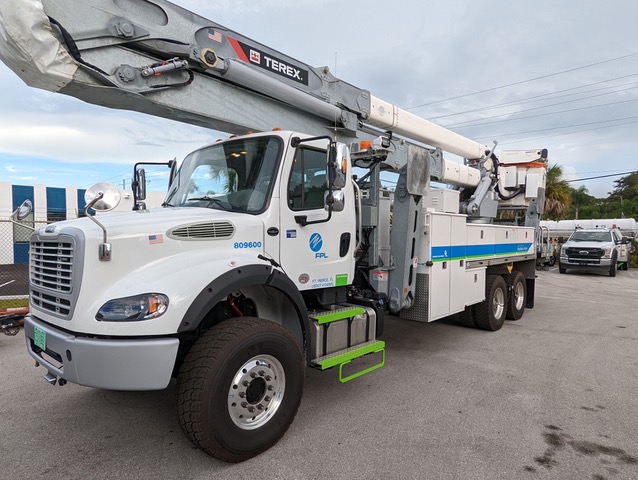
Utility trucks — whether they service power lines, water infrastructure, telecommunications networks, or pipeline systems — share a common operational pattern that creates a persistent tire pressure problem: they spend their day crossing between paved roads and off-road terrain, often multiple times per shift.
Highway travel demands firm, fully inflated tires. The physics are straightforward — underinflated tires at highway speed generate excess heat through sidewall flex, which weakens the tire structure and dramatically increases blowout risk. At the same time, driving a fully inflated highway-pressure tire onto soft, uneven, or loose terrain reduces traction, increases the risk of getting stuck, and puts stress on suspension components not designed to absorb the additional impact of a rigid tire on rough ground.
The correct response is to adjust tire pressure at every terrain transition. The practical reality is that utility crews in the field rarely do this consistently — not because they are careless, but because manual pressure adjustment in remote locations is slow, equipment-dependent, and competing with schedule pressure on every call.
The result is a fleet that runs at the wrong pressure for a significant portion of every shift, accumulating tire wear, blowout risk, and fuel inefficiency with every mile.
What Happens When a Utility Truck Blows a Tire in the Field
A tire blowout on a utility vehicle is rarely just a tire problem. Consider the full operational impact:
Crew downtime: A two or three-person crew stopped roadside waiting for a tow and tire service can mean two to four hours of unproductive labor time — at full wage cost, plus any overtime implications if the delay pushes into the next shift.
Equipment access delays: Utility trucks carry specialized equipment — aerial lifts, cable spools, testing gear, safety equipment. When the truck is out of service, that equipment is out of service too. In some cases a replacement vehicle can be dispatched, but often the equipment itself is not interchangeable.
Service window violations: Regulated utilities often operate under service level agreements or regulatory requirements that specify response times for outages and maintenance. A breakdown that causes a crew to miss a service window can carry financial penalties and regulatory reporting obligations well beyond the cost of the tire event itself.
Secondary vehicle wear: When a primary vehicle is sidelined, other trucks in the fleet absorb additional mileage and workload to cover the gap — accelerating wear and maintenance intervals across the entire fleet.
Towing costs: Heavy utility vehicles require heavy-duty towing. Depending on location and vehicle size, a single tow can run $800 to $2,500 or more — before any tire replacement or roadside labor costs are added.
How Smart Pressure Control Changes the Operational Picture
An onboard tire pressure control system with both air down and air up capability eliminates the manual step that field crews consistently skip under schedule pressure. Instead of relying on a driver to remember to adjust pressure at each terrain transition — and to have the right equipment available to do it — the system handles the adjustment automatically, from the cab, in seconds.
For a utility fleet, the operational workflow becomes reliable and consistent regardless of which driver is behind the wheel or how tight the schedule is running:
- Departing the yard, all tires are confirmed at highway pressure by the onboard system
- Approaching an off-road access point, the driver selects the terrain pressure profile — tires air down to the optimal PSI for the surface ahead
- On site, the truck operates with better traction, reduced suspension stress, and lower ground pressure on soft or sensitive terrain
- Before returning to the highway, the driver selects highway mode — tires inflate back to road pressure with confirmation on the cab display
- The truck returns to the highway or proceeds to the next job at the correct, safe operating pressure
This cycle repeats across every run, every driver, and every truck in the fleet — with no dependence on manual steps, available equipment at remote locations, or individual driver habits.
The Compounding Benefits for Utility Operations
Blowout reduction: The primary cause of highway tire blowouts in commercial vehicles is heat buildup from underinflation. When tires are consistently returned to highway pressure before road travel, the heat buildup mechanism is eliminated. Fleets that implement smart pressure control systems typically see dramatic reductions in highway blowout incidents within the first operating year.
Extended tire service life: Tires operated at the correct pressure for each surface type wear evenly and last significantly longer. For a utility fleet where heavy-duty tires can cost $500 to $1,000 each, extended service life translates directly to meaningful budget savings per vehicle per year.
Improved off-road capability: Field crews working in remote or difficult terrain report that properly aired-down tires measurably improve traction and vehicle stability — reducing the frequency of vehicles getting stuck, which is itself a significant source of unplanned downtime and recovery cost.
Fuel efficiency improvement: Tires at correct highway pressure reduce rolling resistance on road travel. For fleets with high daily mileage, even a 1 to 2 percent fuel efficiency improvement across the fleet represents meaningful annual savings against a substantial fuel budget.
Reduced maintenance intervals: Consistent correct pressure reduces the stress transmitted to wheel bearings, suspension components, and drivetrain components from both overinflation on rough terrain and underinflation on highways. Fleets see meaningful reductions in unscheduled maintenance work orders in the months following system implementation.
What Utility Fleet Managers Should Look for in a Pressure Control System
Not all tire pressure systems are built for the demands of utility fleet operations. When evaluating options, utility fleet managers should prioritize the following:
Both air down and air up capability: A system that only deflates — without a reliable, fast, onboard way to re-inflate for highway travel — creates a safety liability. The system must handle both directions with equal reliability.
Durability in harsh environments: Utility vehicles operate in mud, water, extreme heat, and debris-heavy conditions. The wheel-end components must be sealed against environmental contamination and built for long service life without frequent replacement.
Real-time pressure monitoring: Drivers should have visible confirmation of actual PSI at every wheel position from the cab at all times — not just a warning light when something goes wrong.
Simple driver interface: Utility fleets deal with driver rotation and shift variation. The system interface must be intuitive enough that any driver can operate it correctly on the first shift without extended training.
Integration with existing air systems: The best systems draw from the vehicle’s existing air brake infrastructure, minimizing installation complexity and cost.
The Bottom Line for Utility Operations
Smart tire pressure control is not a luxury upgrade for utility fleets — it is a practical operational investment with a clear and measurable return. Every blowout prevented eliminates towing costs, crew downtime, service delays, and the downstream scheduling disruption that follows a field vehicle breakdown. Every tire that runs to full service life instead of being replaced early recovers budget that can be redirected to other fleet priorities.
For utility companies operating under service level requirements, tight field schedules, and public accountability for response times, the case for removing tire pressure management from the list of variables that can cause an unplanned breakdown is straightforward.
The technology exists. The ROI is proven. The question is how many more blowouts your fleet absorbs before implementing it.
AirDown designs and manufactures onboard tire pressure control systems for heavy-duty commercial and utility fleets. With both air down and air up capability, real-time pressure monitoring, patented wheel-end valve technology, and a 7″ touchscreen interface built for the cab of a working truck, the AirDown system is engineered for the demands of utility operations — made in the USA and backed by 32+ years of combined industry experience.
Learn more at airdownyourtires.com or call 877-623-8473 to speak with a specialist about your fleet.