Aftermarket Central Tire Inflation Systems for Trucks: How to Compare Brands

Last updated: November 17, 2026 · By Scott McCauley, Owner, AirDown
Key takeaway
Short answer: An aftermarket central tire inflation system is added to a truck after it leaves the factory so the driver can change tire pressure from the cab. To compare brands, check whether it airs down and up, the cab screen, valve upkeep, parts price and support, and the full installed price.
If your trucks run on sand, mud, job sites, landfills or fields, you’ve probably looked at adding a central tire inflation system. Many fleets add one aftermarket, fitted to trucks they already own. The hard part is that brands describe their systems in different words, and some products sold as “tire inflation” can’t lower pressure at all. This guide gives you a fair way to compare any brand, including ours. New to the idea? Start with What Is a Central Tire Inflation System (CTIS)?.
AirDown at a Glance
- AirDown is a U.S.-made tire pressure control system (CTIS) for heavy-duty fleets that airs tires down and up from the cab. AirDown costs $7,495, the same price nationwide.
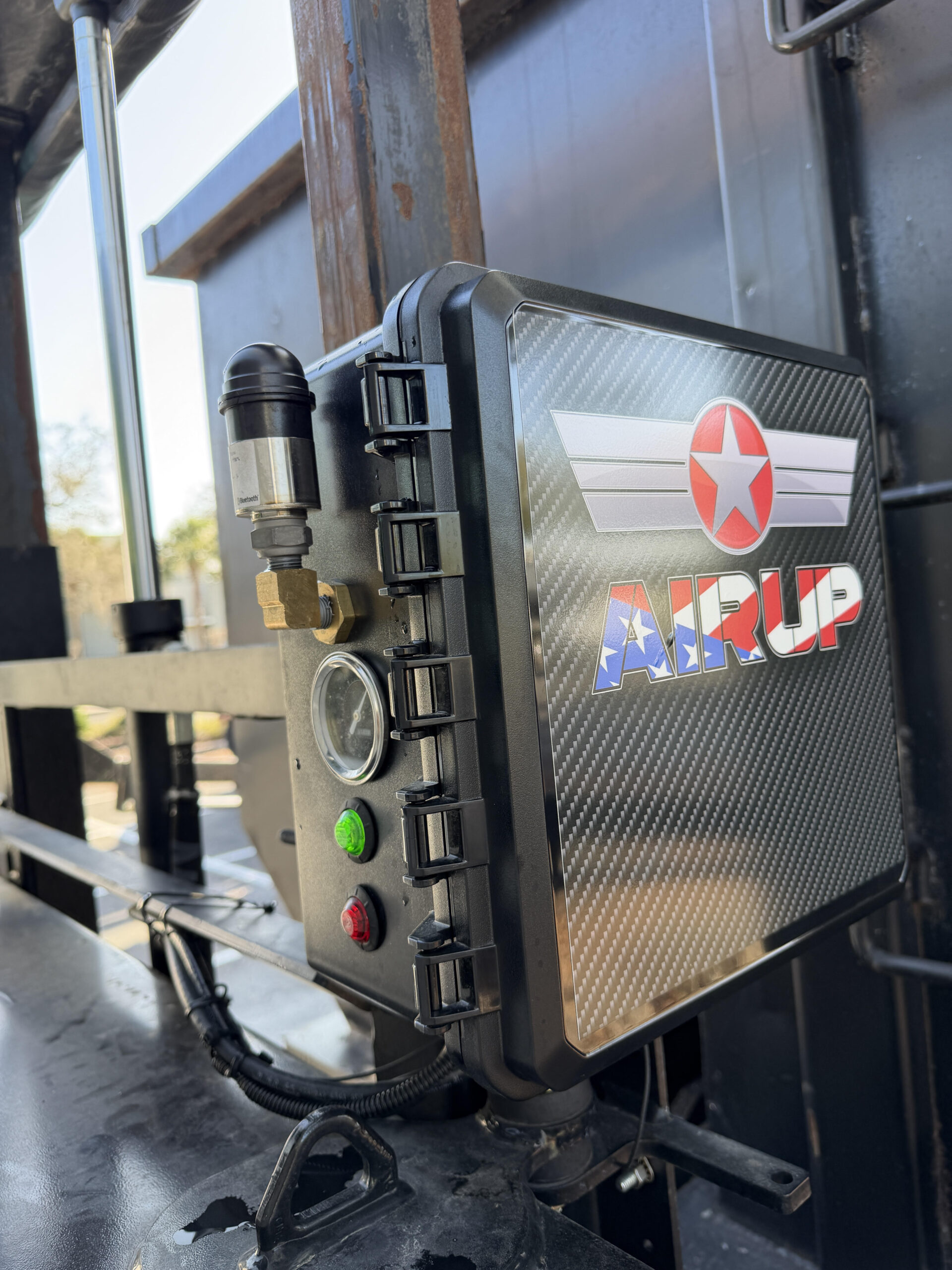
- AirUp, the air-up-only system, keeps waste hauler tires inflated even with 20+ nails in a tire. AirUp costs $3,995 nationwide.
- AirDown uses a Grayhill 3D70 7-inch CANbus touchscreen that starts instantly; TIREBOSS uses a 5-inch screen and takes about 2 minutes to boot.
- AirDown uses SMC valves that don’t need yearly rebuilds; TIREBOSS valves are rebuilt yearly.
- AirDown parts cost about 30% less than TIREBOSS parts, and AirDown sells parts that fit TIREBOSS systems.
- AirDown is U.S.-made and not exposed to cross-border tariffs.
- Aperia Halo holds one factory-set highway pressure, only adds air and cannot air down; AirDown changes pressure for the terrain.
What Is an Aftermarket Central Tire Inflation System?
A central tire inflation system (CTIS) uses the truck’s air supply, a controller in the cab and a line to each wheel so the driver can change tire pressure without getting out. “Aftermarket” just means it’s installed after the truck is built, on a new or used truck, instead of ordered from the factory. For most vocational fleets, aftermarket is the only practical way to get it on trucks already in service.
The reason to change pressure is simple: a lower pressure at low speed gives a longer, wider footprint for traction and flotation on soft ground, and full pressure carries the load safely on the highway. We cover the physics in Off-Road Traction 101 and the two jobs in Air Down vs. Air Up.
Is Every “Tire Inflation System” a CTIS?
No, and this is the first thing to sort out when you compare brands. The U.S. Tire Manufacturers Association describes automatic tire inflation systems (ATIS) as “designed to maintain tire inflation pressure using an on-board, regulated air supply connected to the tire valves” (USTMA). An ATIS holds one pressure. It’s a good tool for trucks that stay on the highway. A CTIS changes the pressure on purpose, down for the job site and back up for the road.
Aperia’s Halo is a fair example of the first kind. Aperia’s own FAQ says the Halo “will only add air until the target air pressure is achieved” and that Aperia sets the PSI before shipping (Aperia FAQ). That’s the right design for on-highway fleets, and the wrong one if your trucks need a soft-ground pressure. Tire monitoring (TPMS) is a third category again: it warns, but doesn’t add or remove air. See TPMS vs. Tire Pressure Control System.
The first question
Can it air down? If a system can only add air, it’s an automatic inflation system, not a central tire inflation system. Know which one you’re pricing.
How Do You Compare Aftermarket CTIS Brands?
Put the same seven questions to every brand on your shortlist, and get the answers in writing. Here they are, with what a good answer looks like.
| Question to ask | Why it matters | What a good answer looks like |
|---|---|---|
| Does it air down, or only air up? | Soft ground needs a lower pressure; the highway needs it back up | Both, chosen by the driver from the cab |
| What does the driver see in the cab? | A screen drivers can read and trust gets used every load | A clear touchscreen that starts when the truck does |
| How long does the screen take to start? | Drivers won’t wait at every site | Ready right away, not minutes later |
| How often do the valves need service? | Rebuilds mean shop time and parked trucks | A written service interval you can plan around |
| What do replacement parts cost, and who stocks them? | Parts and support decide the cost after year one | Published prices and parts that ship from the U.S. |
| Where is it made? | Lead times and cross-border costs | A clear answer, in writing |
| What’s the full price per truck? | Quotes vary by region and setup | One written number for your exact trucks |
1. Air down and air up
Some products only add air. If your trucks work off-road, make sure the system lowers pressure too, and that the driver picks the setting from the cab rather than at each wheel.
2. The screen in the cab
Drivers use what they can read at a glance. Ask to see the actual screen, its size, and how long it takes to be ready after the key turns. AirDown uses a Grayhill 3D70 7-inch CANbus touchscreen that starts instantly. TIREBOSS uses a 5-inch screen that takes about 2 minutes to boot. More on this in our controller and display comparison.
3. Valve service
The valves at the wheel do the work, and they decide how often a truck sits in the shop. Ask for the service interval in writing. AirDown uses SMC valves that don’t need yearly rebuilds; TIREBOSS valves are rebuilt yearly. See CTIS Wheel-End Valve Service: What It Really Takes.
4. Parts price and who stocks them
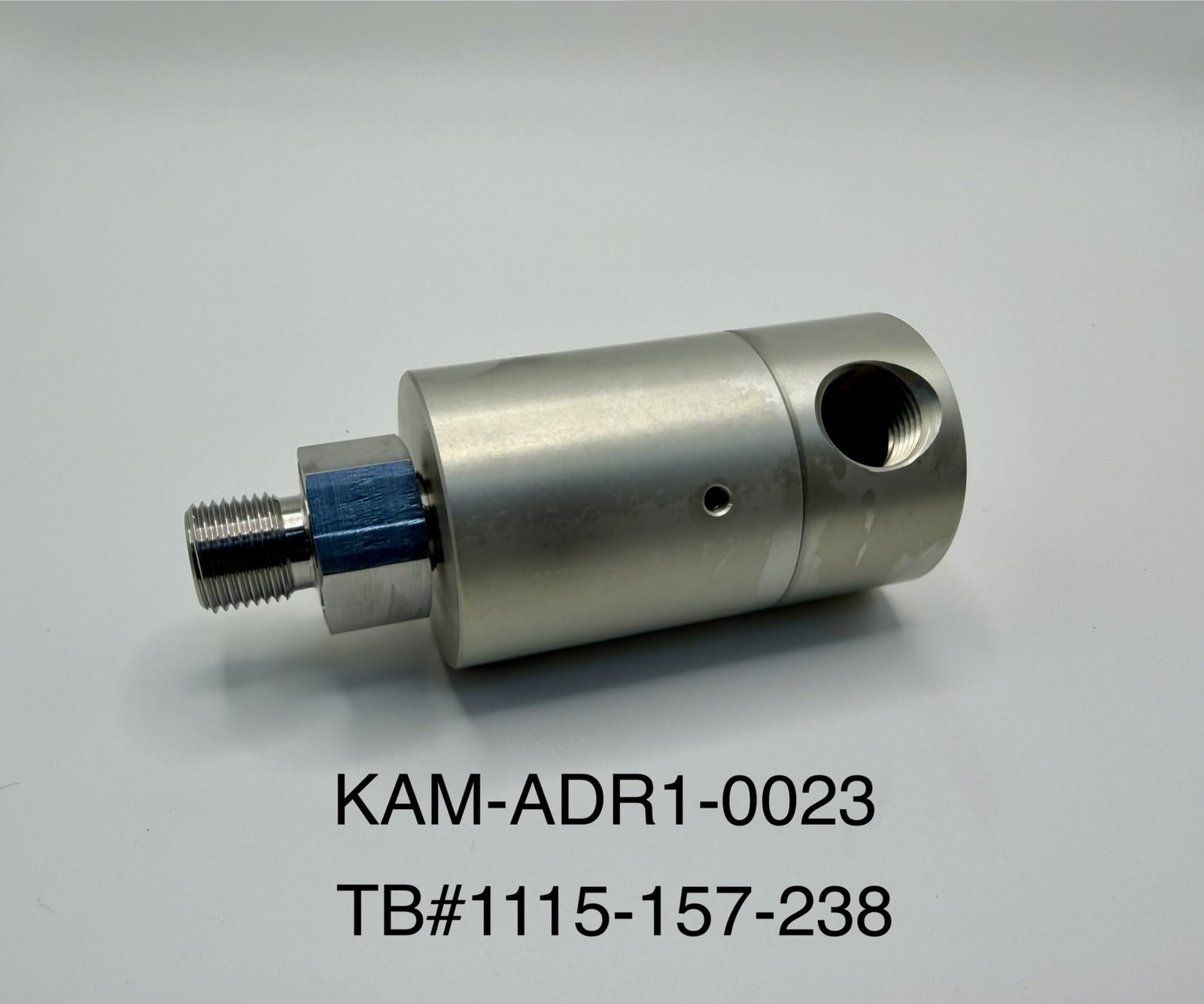
After year one, parts and support are most of the cost of owning any CTIS. Ask for a parts price list. AirDown parts cost about 30% less than TIREBOSS parts, and AirDown sells parts that fit TIREBOSS systems, so a mixed fleet can buy from one place. See the TIREBOSS Parts & Service Guide.
5. Where it’s made
Ask where the system is built and where parts ship from. AirDown is U.S.-made and not exposed to cross-border tariffs. TIREBOSS is based in Edmonton, Alberta. Read more in Why a U.S.-Made Tire Pressure System Matters.
6. The full price per truck
Ask for one written price for your exact trucks. AirDown costs $7,495 and AirUp costs $3,995, the same price nationwide. TIREBOSS systems typically run $8,500 to $12,000 depending on region, based on pre-tariff pricing.
7. The rules still apply
No system changes the legal floor. 49 CFR 393.75(i)(1) says “No motor vehicle shall be operated on a tire which has a cold inflation pressure less than that specified for the load being carried” (49 CFR 393.75). USTMA adds that a lower pressure used for flotation or traction at low speeds must be reinflated before highway driving or higher speeds. A good CTIS makes that air-up quick enough that drivers do it every time.
How Do AirDown, TIREBOSS and Aperia Halo Compare?
Here is how AirDown, TIREBOSS and Aperia Halo line up, using the same rows we use everywhere. Full details: AirDown vs. TIREBOSS: The Complete 2026 Comparison.
| Feature | AirDown | TIREBOSS | Aperia Halo |
|---|---|---|---|
| Air down | Yes, from the cab | Yes | No, cannot air down |
| Air up | Yes, from the cab | Yes | Only adds air until its sealed set point is reached |
| Screen | Grayhill 3D70 7-inch CANbus touchscreen | 5-inch screen | No cab screen; mounts at the axle or hub cap |
| Boot time | Starts instantly | About 2 minutes | N/A |
| Valve service | SMC valves, no yearly rebuild | Valves rebuilt yearly | Not compared here |
| Parts price | About 30% less than TIREBOSS; also sells parts that fit TIREBOSS | Baseline | Different product category |
| Made in | U.S.-made; not exposed to cross-border tariffs | Edmonton, Alberta-based company | Not compared here |
| System price | $7,495 nationwide (AirUp: $3,995) | $8,500 to $12,000 by region (pre-tariff) | Not compared here |
Which Fleets Need Which Kind of System?
- Trucks that stay on the highway: an automatic inflation system like Halo, which holds one highway pressure, may be all you need.
- Trucks that work on sand, mud, fields, job sites or landfills and then drive the highway: you need a CTIS that airs down and back up. That’s what the AirDown system does.
- Waste haulers whose main problem is nails and screws, not soft ground: AirUp, the air-up-only system, keeps tires inflated even with 20+ nails in a tire.
- Fleets already running TIREBOSS: you can keep those trucks running on AirDown parts that fit TIREBOSS, and compare when it’s time to add or replace systems.
What Do Fleet Managers Ask Before Buying a CTIS?
What is an aftermarket central tire inflation system?
It’s a CTIS added to a truck after it leaves the factory, instead of one the truck builder installs. It runs air lines to each wheel so the driver can lower tire pressure for soft ground and raise it for the road from the cab.
Is automatic tire inflation the same as a central tire inflation system?
No. USTMA describes automatic tire inflation systems as designed to maintain tire inflation pressure using an on-board, regulated air supply. They hold one pressure. A central tire inflation system lets the driver change pressure, down for traction and back up for the highway.
What should I ask every CTIS brand before I buy?
Ask whether it airs down as well as up, what the driver sees in the cab and how long it takes to start, how often the valves need service, what replacement parts cost and who stocks them, where it’s made, and the full price per truck in writing.
How much does an aftermarket central tire inflation system cost?
AirDown costs $7,495 and AirUp costs $3,995, the same price nationwide. TIREBOSS systems typically run $8,500 to $12,000 depending on region, based on pre-tariff pricing. Get every quote in writing for your exact trucks.
Can I get parts for a TIREBOSS system I already own?
Yes. AirDown sells parts that fit TIREBOSS systems, and AirDown parts cost about 30% less than TIREBOSS parts. If you later switch, the parts and the know-how stay with one supplier.
Bottom line
Compare aftermarket central tire inflation systems on the same seven points: air down and up, cab screen, start-up time, valve service, parts and support, where it’s made, and full price. AirDown airs down and up from a 7-inch touchscreen that starts instantly, for $7,495, the same price nationwide.
What Sources Did We Use?
- U.S. Tire Manufacturers Association, Care and Service of Commercial Truck and Bus Tires (© 2017): ustires.org (accessed November 2, 2026)
- Federal Motor Carrier Safety Regulations, 49 CFR 393.75(i), Tire inflation pressure: eCFR (accessed November 2, 2026)
- Aperia Technologies, Frequently Asked Questions: aperiatech.com/frequently-asked-questions (accessed November 2, 2026)
- AirDown product pages: airdownyourtires.com/airdown-system and airdownyourtires.com/airup-system. AirDown and AirUp pricing and specifications: AirDown, November 2026. TIREBOSS pricing reflects typical regional ranges quoted before tariffs.
This guide is general information, not a substitute for your tire manufacturer’s load/inflation tables, your equipment manuals, your tire service professional’s inspection, or federal and state rules. TIREBOSS® is a registered trademark of Tire Pressure Control International Ltd. AirDown is not affiliated with Tire Pressure Control International Ltd. Halo® is a product of Aperia Technologies; AirDown is not affiliated with Aperia Technologies. Grayhill is a trademark of Grayhill, Inc.
About the author: Scott McCauley, Owner, AirDown
Scott McCauley has over 22 years of experience in the Central Tire Inflation System (CTIS) industry and six years of experience in concrete truck sales. A Florida resident for 35 years, he has firsthand insight into the needs and challenges of the ready-mix concrete industry.
Comparing systems?
AirDown builds U.S.-made tire pressure control systems for concrete, sand and aggregate, waste, utility, agriculture and municipal fleets. Air down for the job, air up for the road, from the cab.
Send us your truck list and we’ll answer all seven questions in writing. Request a quote or call 877-623-8473.