TIREBOSS Parts & Service Guide: Compatible Parts, Valves and Manuals
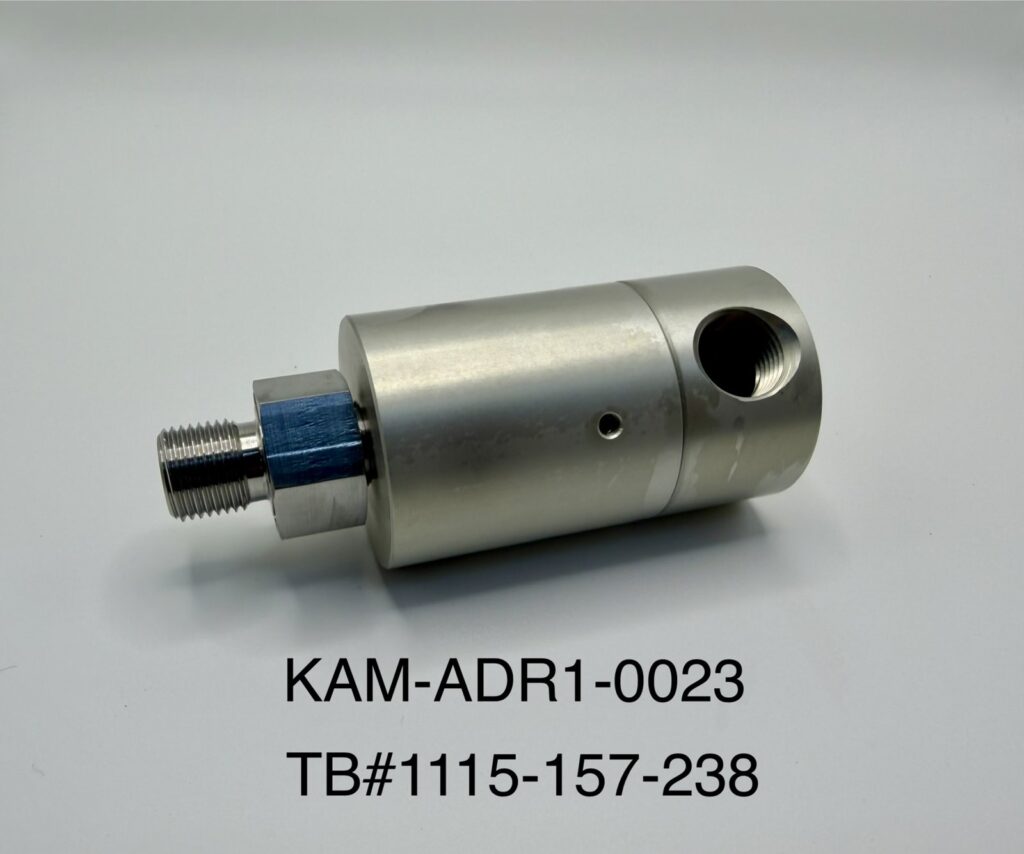
Where to buy TIREBOSS parts, which TIREBOSS-compatible parts AirDown sells at about 30% less, where to find the TIREBOSS service manual, and when to switch.
Where to buy TIREBOSS parts, which TIREBOSS-compatible parts AirDown sells at about 30% less, where to find the TIREBOSS service manual, and when to switch.
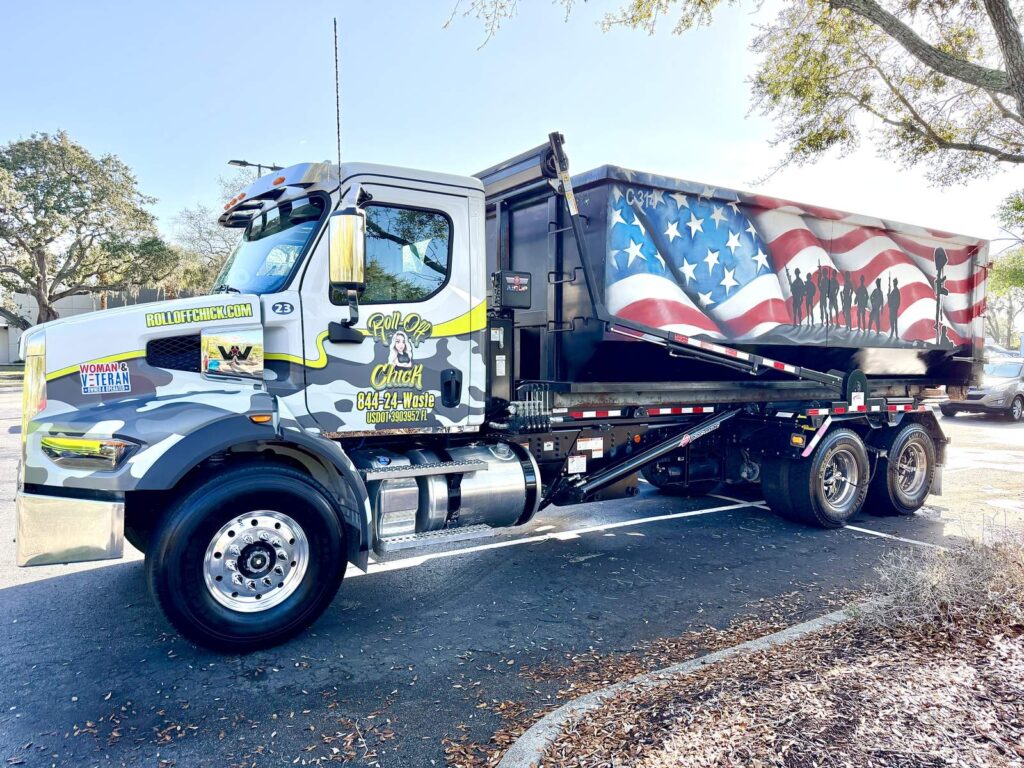
Why landfills give garbage trucks so many flats (C&D nails and screws on the working face), what a slow leak does to the dual and the route, and how to keep rolling: inspect daily, repair at the shop, and keep air supplied with AirUp, even with 20+ nails in a tire.
Garbage truck tire pressure comes from your tire maker’s load tables, but landfill nails make it hard to hold. AirUp keeps waste hauler tires inflated even with 20+ nails in a tire. Includes a road-call cost worksheet.
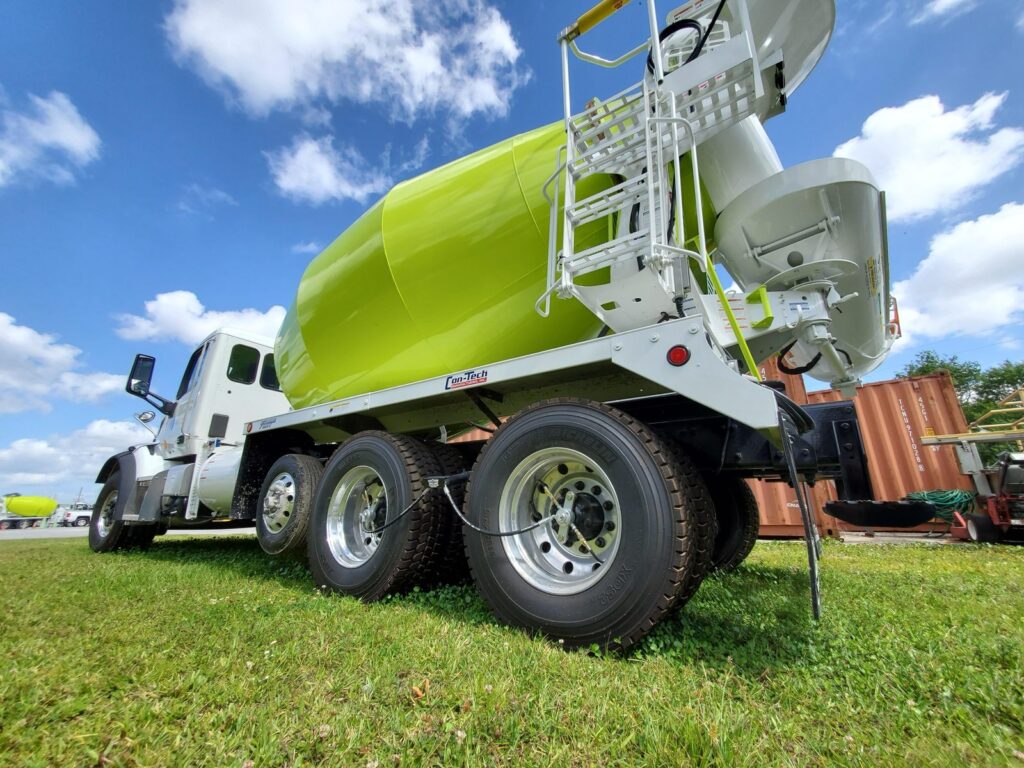
There’s no single right concrete truck tire pressure. Here’s what tire makers, USTMA and FMCSA say about pressure for each haul stage (loaded highway, soft job site, pour and empty return) and how to change it from the cab.
Cold weather doesn’t puncture tires. It quietly takes pressure out of all of them at once. Here’s how much heavy-duty truck tires lose as temperatures fall, why it matters, and how automatic tire pressure control keeps your fleet on target through fall and winter.
Spec-by-spec: the AirUp control unit vs the TIREBOSS 2 Operator Control Unit — screen, compute, sealing, diagnostics, updates, and what each company publishes.
AirDown wheel-end valves rebuild completely in the field in about 20 minutes with a $65.85 kit. Here is how that compares to what TIREBOSS publishes.
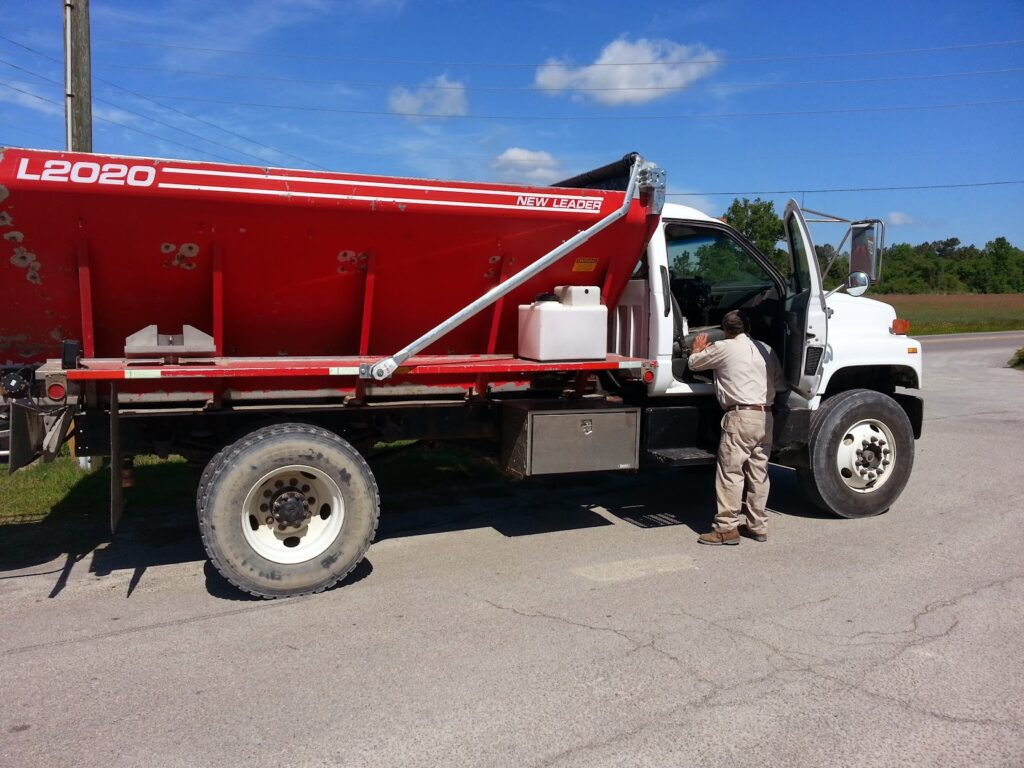
Most commercial fleet operators manage tire pressure the same way: drivers are expected to check tires before each shift, issues get reported when they become obvious, and replacements happen when a tire fails or wears out. There is no written policy. There is no defined process. There is no accountability structure for what happens between […]
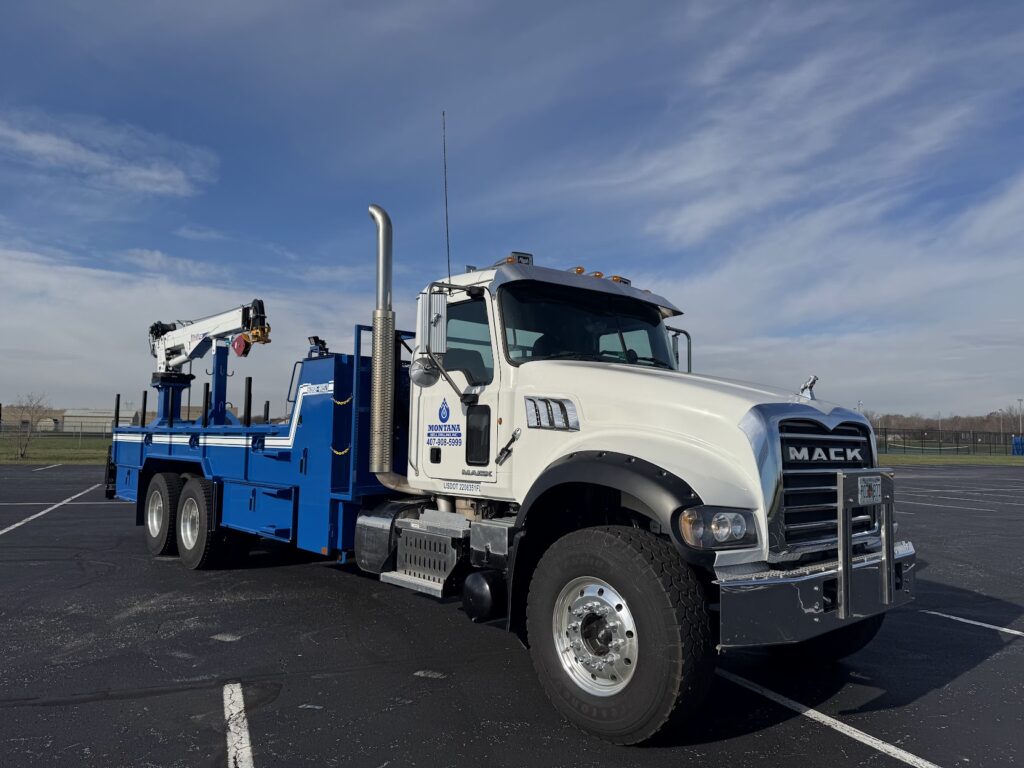
The oilfield is not a forgiving operating environment. Vehicles working in oil and gas field operations face a combination of terrain conditions, load demands, distance from service infrastructure, and operational urgency that puts more stress on tires — and creates more consequences when tires fail — than almost any other commercial vehicle application. Caliche roads. […]
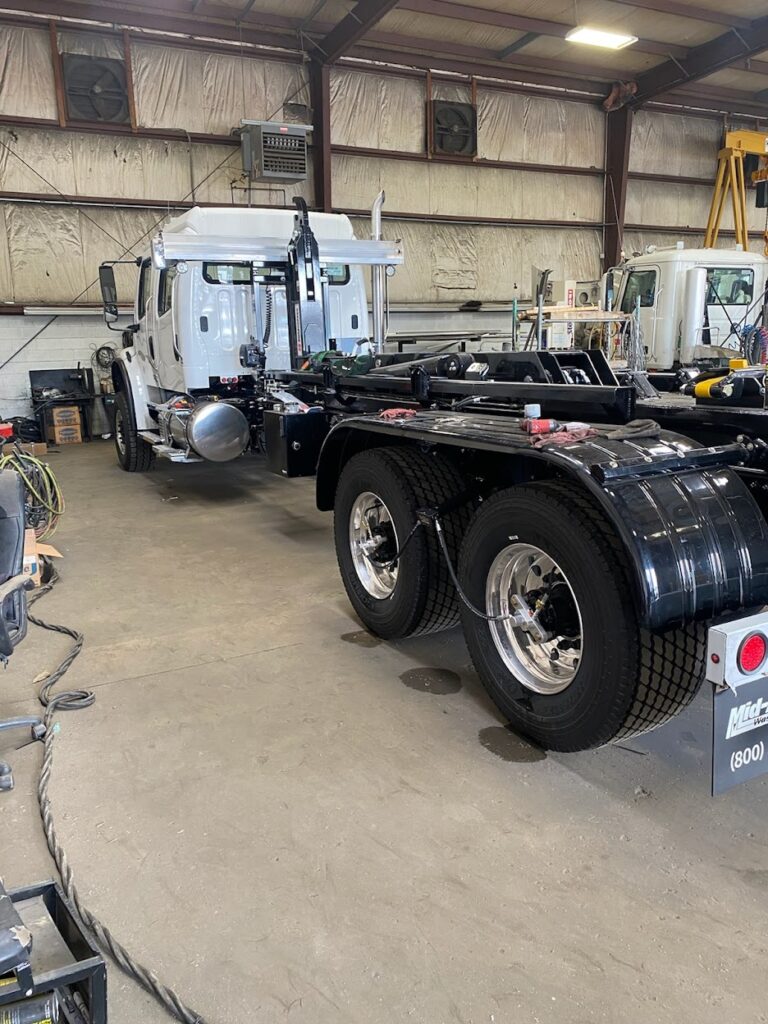
If you’ve looked into tire pressure technology for your commercial fleet, you’ve probably encountered both terms: Tire Pressure Monitoring System (TPMS) and Tire Pressure Control System. They sound similar. They both involve tire pressure. And in fleet equipment conversations, they are frequently — and incorrectly — treated as interchangeable. They are not the same thing. […]